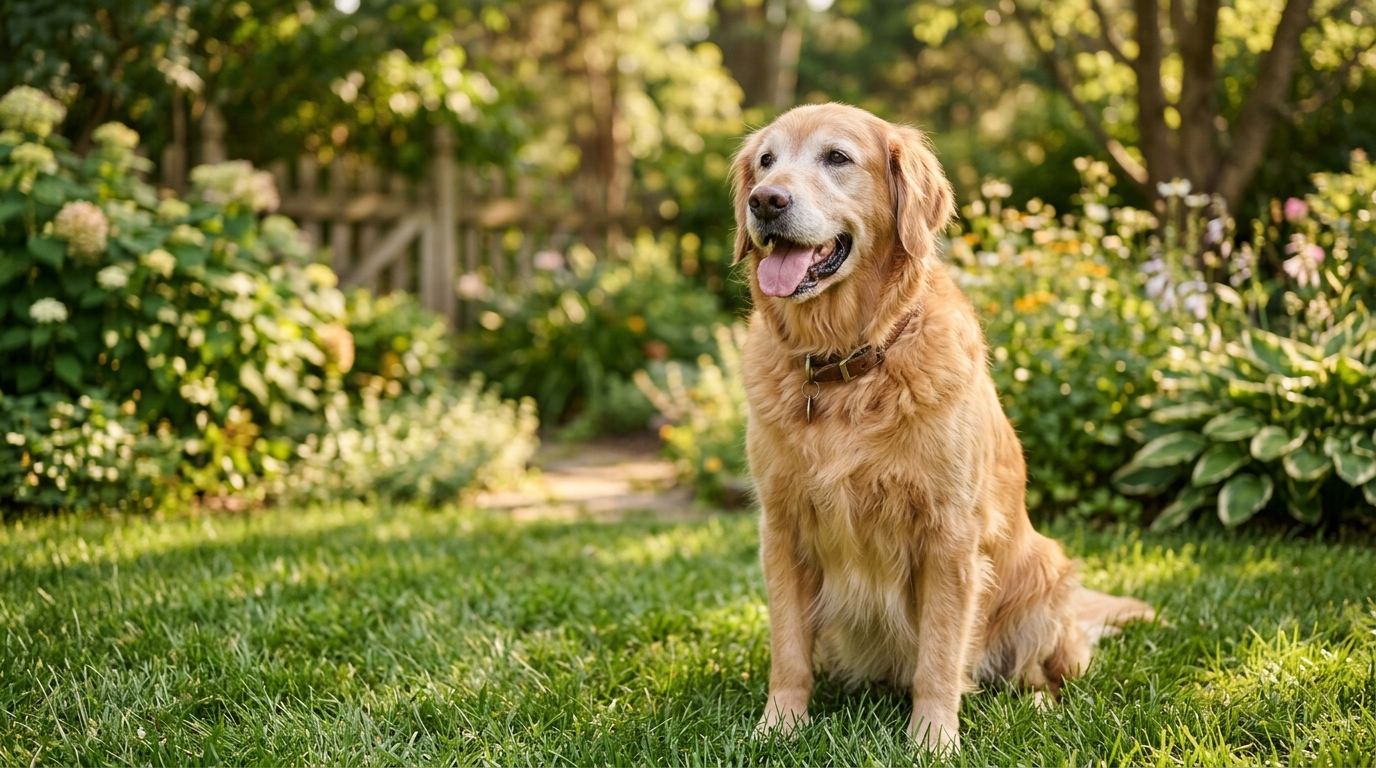

Welcome to Lincoln Heights Veterinary Clinic. Since 1970, Dr. Christine Siems and our Fear Free Certified team on Spokane's South Hill have been dedicated to helping pets age with grace and comfort. One of the most common, yet easily overlooked, issues we see in older dogs is dental disease.
Dogs are masters at hiding oral pain. They will often continue to eat and play even when dealing with severe discomfort in their mouths. Because they cannot tell us when a tooth aches, it is up to us to spot the subtle clues. If you have any concerns about your aging companion's oral health, please reach out to us at 509-535-3551.
The Hidden Signs of Dental Trouble
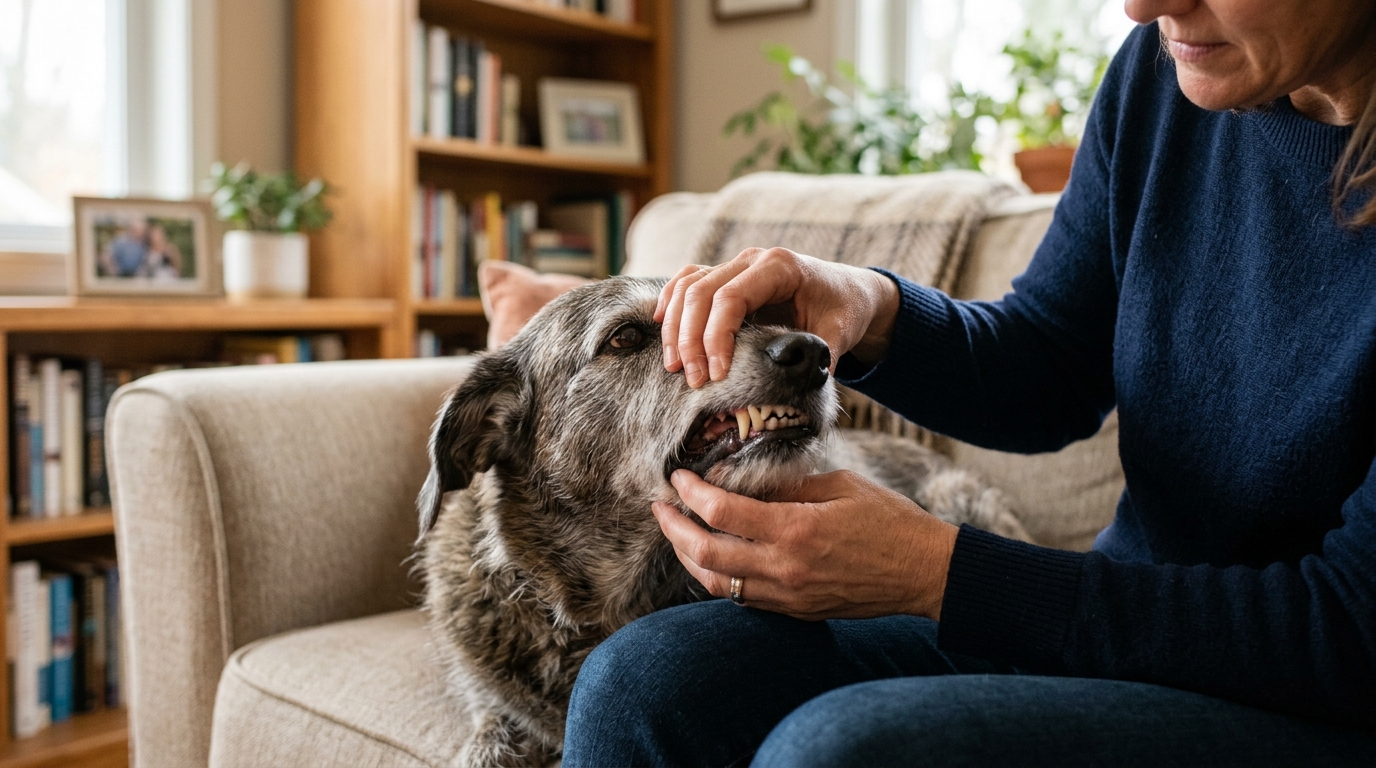
Many owners assume that bad breath is just a normal part of a dog getting older. In reality, a foul odor often signals an active infection in the mouth. You might also notice your dog dropping food, chewing exclusively on one side of their mouth, or suddenly losing interest in their favorite hard treats.
Sometimes, a dental infection can cause swelling on the face, particularly on the side of the nose or just below the eye. You should also look out for discolored teeth. A tooth that has turned pink, purple, or gray indicates that it has suffered trauma in the past and the internal tissue is damaged.
Why Plaque is the Real Enemy
The root of most dental problems is plaque, which is a sticky film of bacteria that constantly forms on the teeth. If it is not brushed away, this film hardens into stubborn tartar in just a few days. While tartar is unsightly, the real damage happens out of sight under the gumline.
When bacteria slip beneath the gums, your dog's immune system reacts to fight the infection. This inflammatory response is what ultimately damages the supportive tissues and bone holding the teeth in place. While early gum inflammation is completely reversible, the loss of bone around the tooth roots is permanent.

Worn Down and Broken Teeth
By the time a dog reaches their senior years, their teeth have done a massive amount of work. Normal wear is expected, but chewing on extremely hard objects can cause painful fractures. We strongly advise against giving your dog real bones, antlers, or hard nylon toys, as these are major culprits for breaking teeth.
If a tooth breaks and exposes the sensitive inner pulp, it requires veterinary attention to prevent deep, painful infections. A broken tooth might show a small red or black spot in the center of the fracture. Even if your dog seems unbothered, an exposed nerve is incredibly painful and needs care.
Professional Care and Comfort
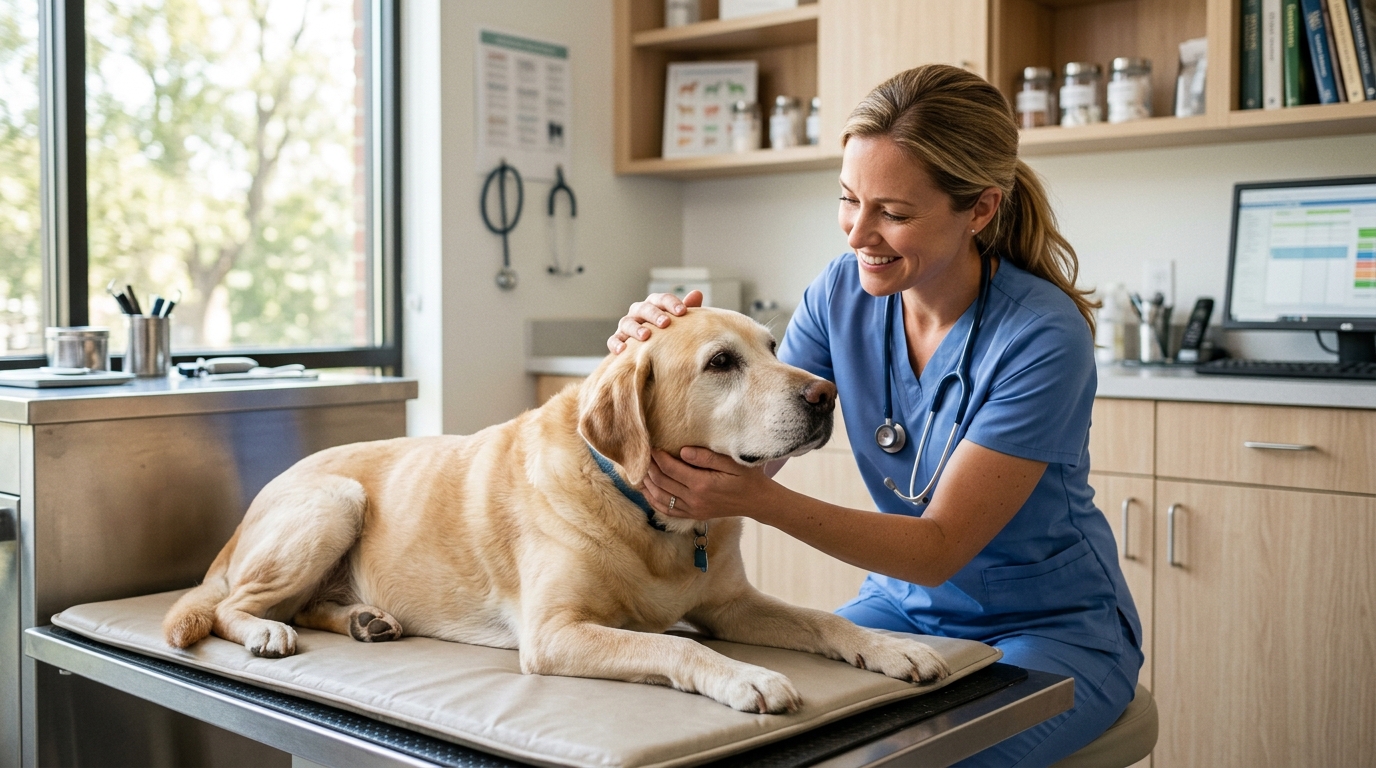
Keeping your senior dog comfortable is our top priority. Thorough dental cleanings require general anesthesia so we can safely clean below the gumline and take x-rays to evaluate the tooth roots. Cosmetic cleanings performed while a dog is awake only remove visible tartar and leave the painful disease under the gums completely untreated.
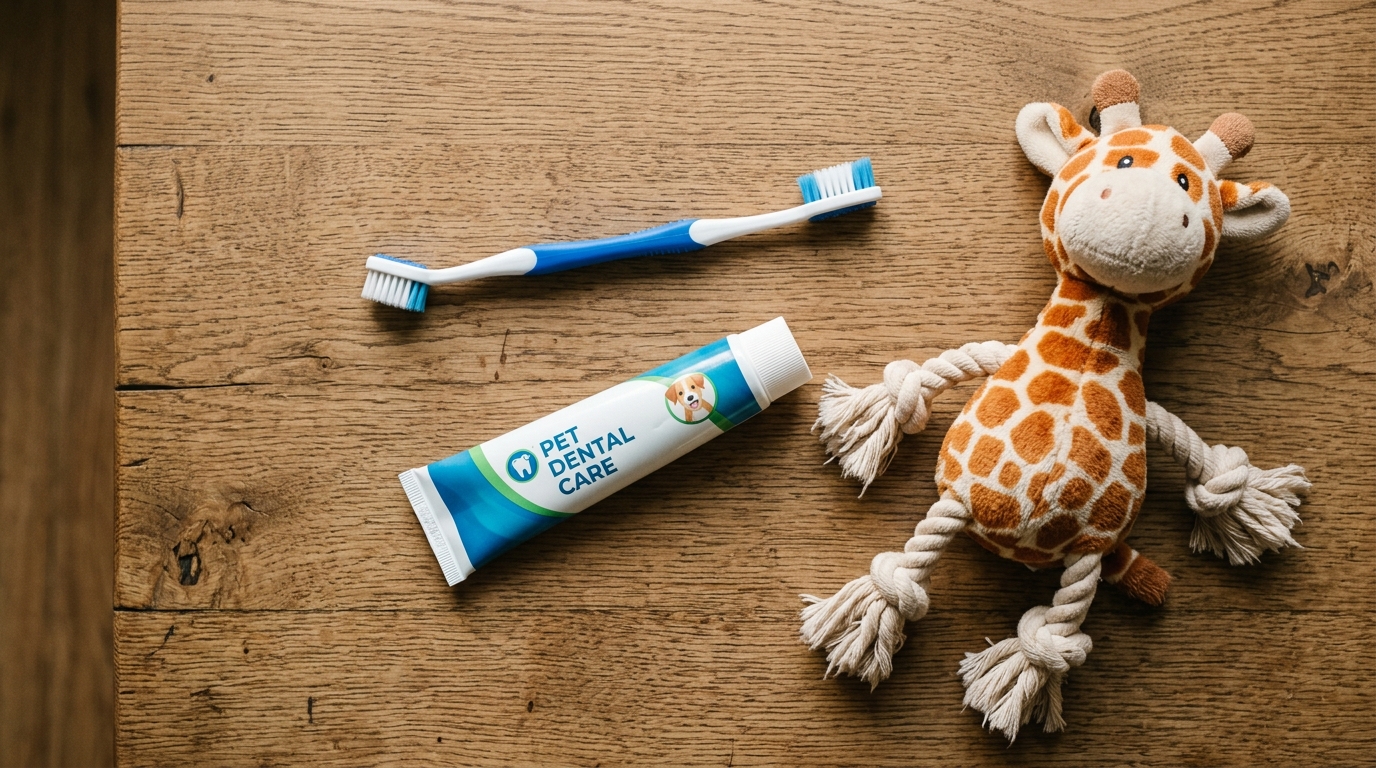
If a tooth is severely diseased, removing it is often the kindest and most effective option. Dogs adapt wonderfully to missing teeth and usually feel much better once the source of chronic pain is gone. At home, daily brushing with a pet safe toothpaste is the single best way to keep their remaining teeth healthy and their breath fresh.
Your senior dog deserves a comfortable mouth free of pain. If you suspect your older companion is dealing with dental issues, the compassionate team at Lincoln Heights Veterinary Clinic is always here to help. Call us at 509-535-3551 to schedule a comprehensive dental evaluation today.