

Welcoming a new puppy into your home is a joyful experience, filled with cuddles, playtime, and plenty of learning. At Lincoln Heights Veterinary Clinic, we love meeting the newest members of your family. Since 1970, our team on Spokane's South Hill has been dedicated to keeping local pets healthy and happy. Led by Dr. Christine Siems, our Fear Free Certified hospital is here to guide you through every step of puppyhood, starting with a strong foundation of preventive care.
One of the most important things you can do for your growing companion is to keep them protected against preventable diseases. Navigating the world of puppy vaccinations might seem a little overwhelming at first, but we are here to make it simple and easy. Understanding how vaccines work and what to expect during your visits will help you feel confident that your puppy is getting the best possible start in life.

Why Puppies Need a Series of Vaccines
When puppies are born, they receive a natural boost of immunity from their mother's milk. These maternal antibodies are wonderful for protecting newborns, but they also temporarily block vaccines from doing their job. Because this natural protection fades at an unpredictable rate for every puppy, a single vaccination is not enough to guarantee long term immunity.
To make sure your puppy stays protected as their mother's immunity wears off, we administer vaccines in a carefully timed series. We typically start when your puppy is around six to eight weeks old and give booster doses every three to four weeks until they reach about sixteen weeks of age. This gradual approach ensures that the moment the maternal antibodies drop, the vaccine steps in to teach your puppy's immune system how to fight off serious illnesses.

Essential Protection and Lifestyle Choices
Veterinary vaccines are generally divided into two categories: core and noncore. Core vaccines are considered essential for all dogs, regardless of where they live or what they do. In the United States, these vital vaccines protect against rabies, canine distemper, parvovirus, and adenovirus. These diseases are highly contagious and can be very dangerous, so keeping your puppy fully vaccinated against them is a top priority.
Noncore vaccines are optional and are tailored to your puppy's specific lifestyle and risk factors. Depending on how much time your dog will spend outdoors, traveling, or socializing with other dogs, we might recommend protection against Lyme disease, leptospirosis, or the bacteria and viruses that cause kennel cough. We often use combination vaccines to minimize the number of injections your puppy receives at one time. Rest assured, giving multiple vaccines together is incredibly safe and will not overwhelm a healthy immune system.
What to Expect After the Appointment
Most puppy vaccines are given as a quick injection just under the skin, though some respiratory protections are given gently as drops in the nose. As a Fear Free Certified clinic, we use treats, gentle handling, and a calm environment to make the experience as positive as possible for your little one.
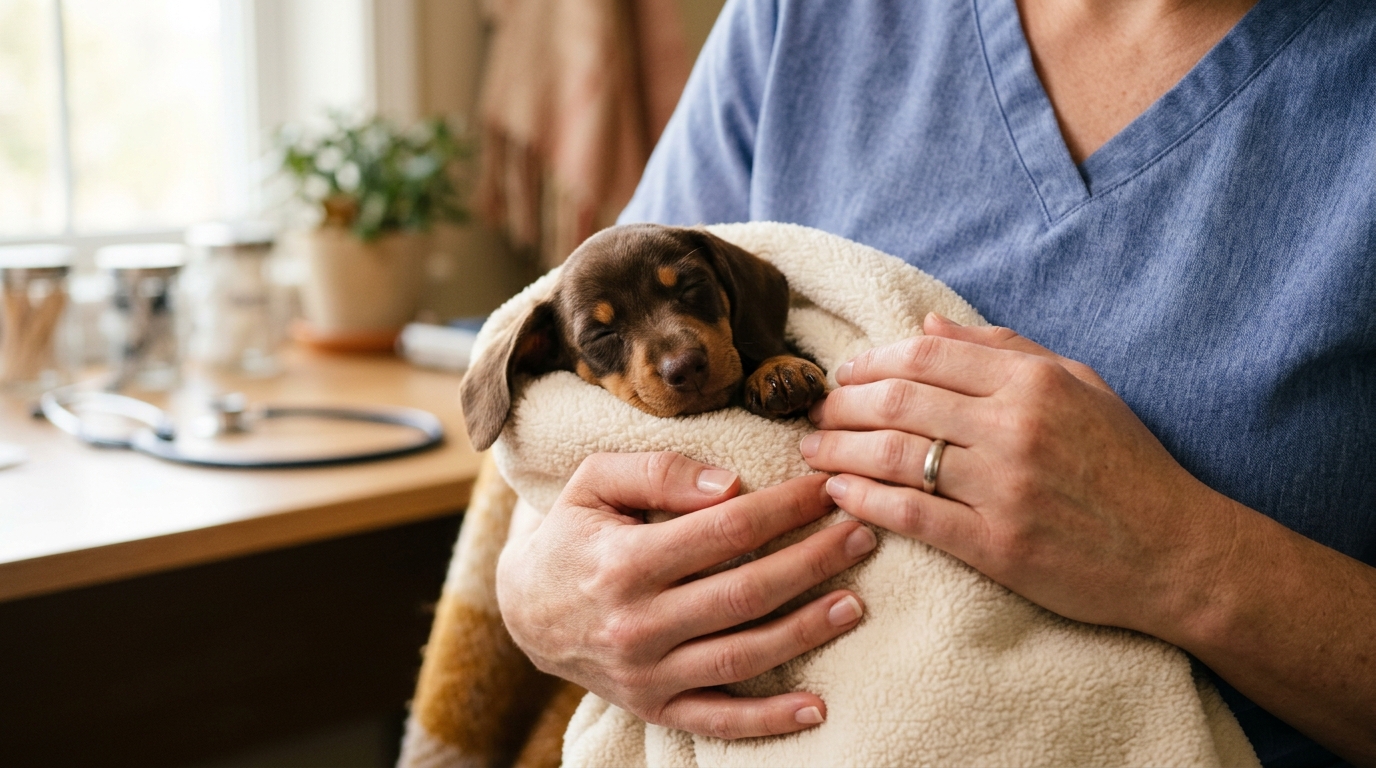
After a vaccination, it is completely normal for your puppy to feel a bit tired or have mild soreness at the injection site. You might notice they sleep a little more than usual for a day or two. While modern vaccines are rigorously tested and very safe, mild reactions can happen, and smaller breed dogs can sometimes be a bit more sensitive to the process. We will always monitor your puppy closely and talk to you about what to watch for at home. If you ever notice signs of an allergic reaction, such as facial swelling or difficulty breathing, you should contact us right away.
Protecting your puppy from serious diseases is one of the most loving things you can do as a new pet parent. If you have any questions about your puppy's vaccine schedule or if it is time to book their next visit, please call Lincoln Heights Veterinary Clinic at 509-535-3551. We are so excited to watch your new best friend grow up healthy and strong.