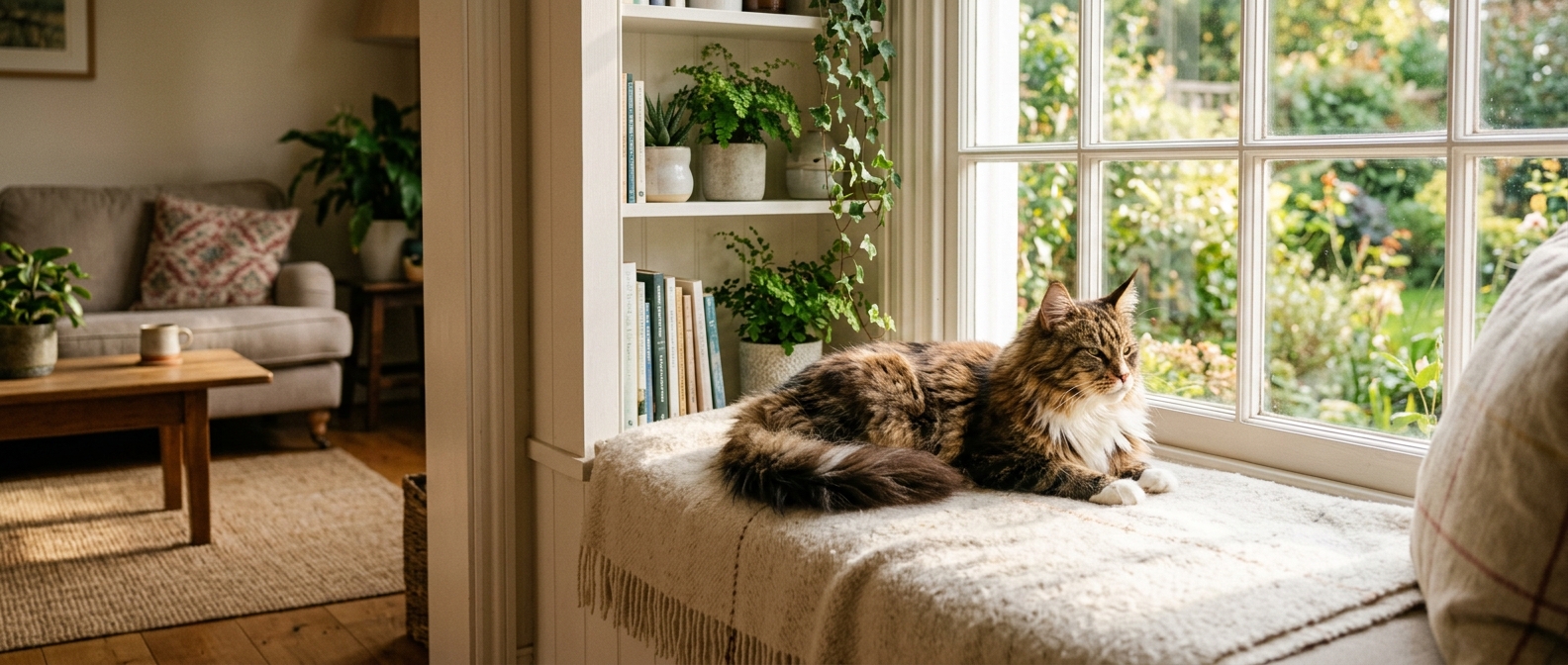

Welcome to Lincoln Heights Veterinary Clinic. Since 1970, our team on Spokane's South Hill has helped families keep their furry companions healthy and happy. Led by Dr. Christine Siems, our Fear Free Certified hospital understands that cats are masters of mystery. In the wild, showing weakness can be dangerous, and our domestic cats still carry that instinct. They often hide their discomfort, making it tricky for even the most attentive owners to know when something is wrong.
Because felines are so good at masking pain and sickness, the signs they do show are usually quite subtle. By learning to read your cat's everyday behavior, you can catch potential health issues early and keep your feline friend comfortable.
The Subtle Shifts in Behavior
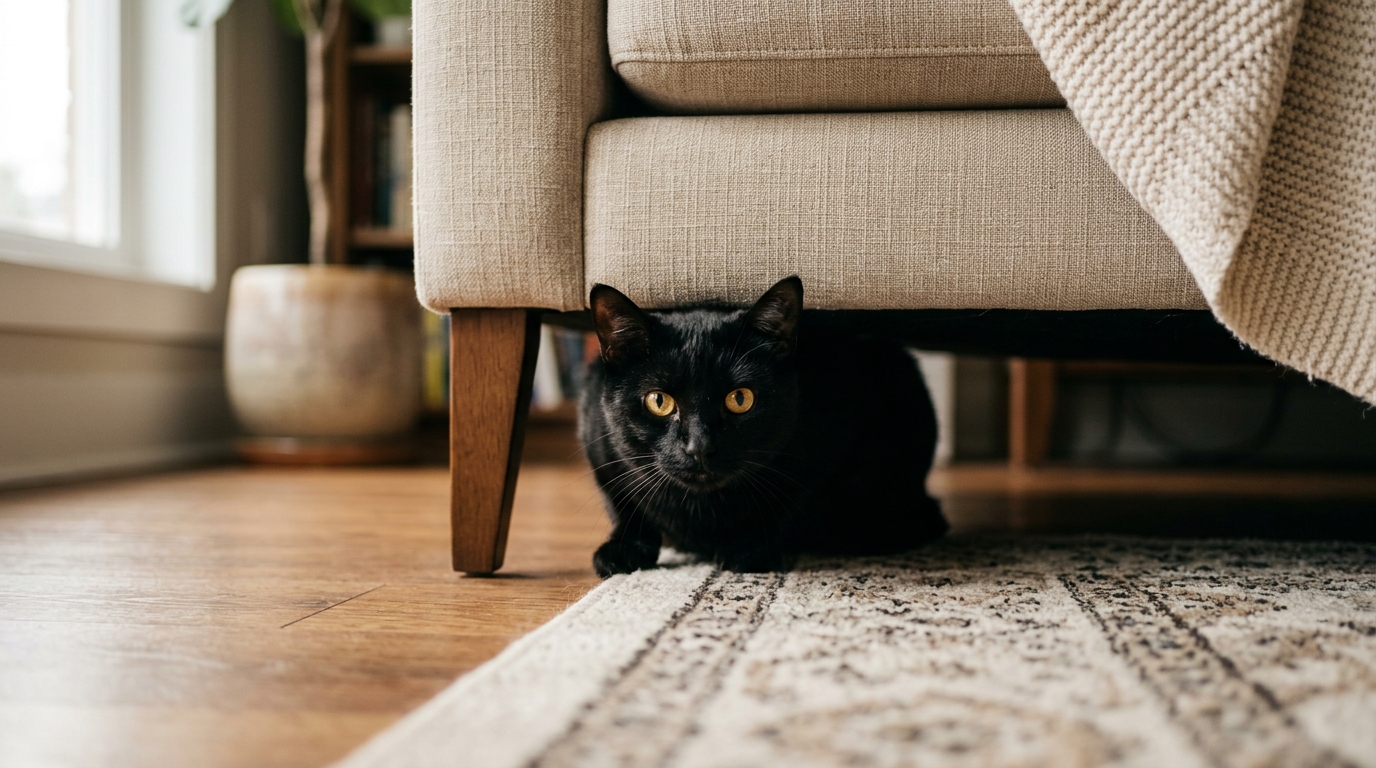
When a cat feels unwell, they rarely complain out loud. Instead, you might notice small changes in their daily routine or personality. A normally social cat might start hiding under the bed, or a previously independent kitty might become unusually clingy.
Other quiet clues include a lack of interest in grooming, sleeping more than usual, or waking up frequently during the night. Sometimes, a cat in pain or dealing with an underlying condition like an overactive thyroid or sore joints will become easily irritated. If your cat suddenly swats when petted or seems unusually grumpy, it is often their way of saying they do not feel well, rather than just a bad mood.

Litter Box Clues and Changes
One of the most common ways cats signal a medical issue is through changes in their bathroom habits. If your cat starts avoiding the litter box, it is easy to assume they are just acting out. However, going outside the box is frequently a cry for help.
Conditions that affect how often a cat needs to go, or issues that make climbing into the box painful, can lead to accidents around the house. Before assuming a litter box issue is purely behavioral, it is important to have your veterinarian rule out any underlying medical causes. Resolving a hidden health problem is often the quickest way to get your cat's habits back to normal.
Why Regular Checkups Matter
Statistics show that cats visit the veterinarian far less often than dogs do. Many owners skip annual exams because getting a cat into a carrier and driving to the clinic can be a stressful experience for everyone involved. Unfortunately, skipping these visits means hidden conditions might go unnoticed until they become more serious.
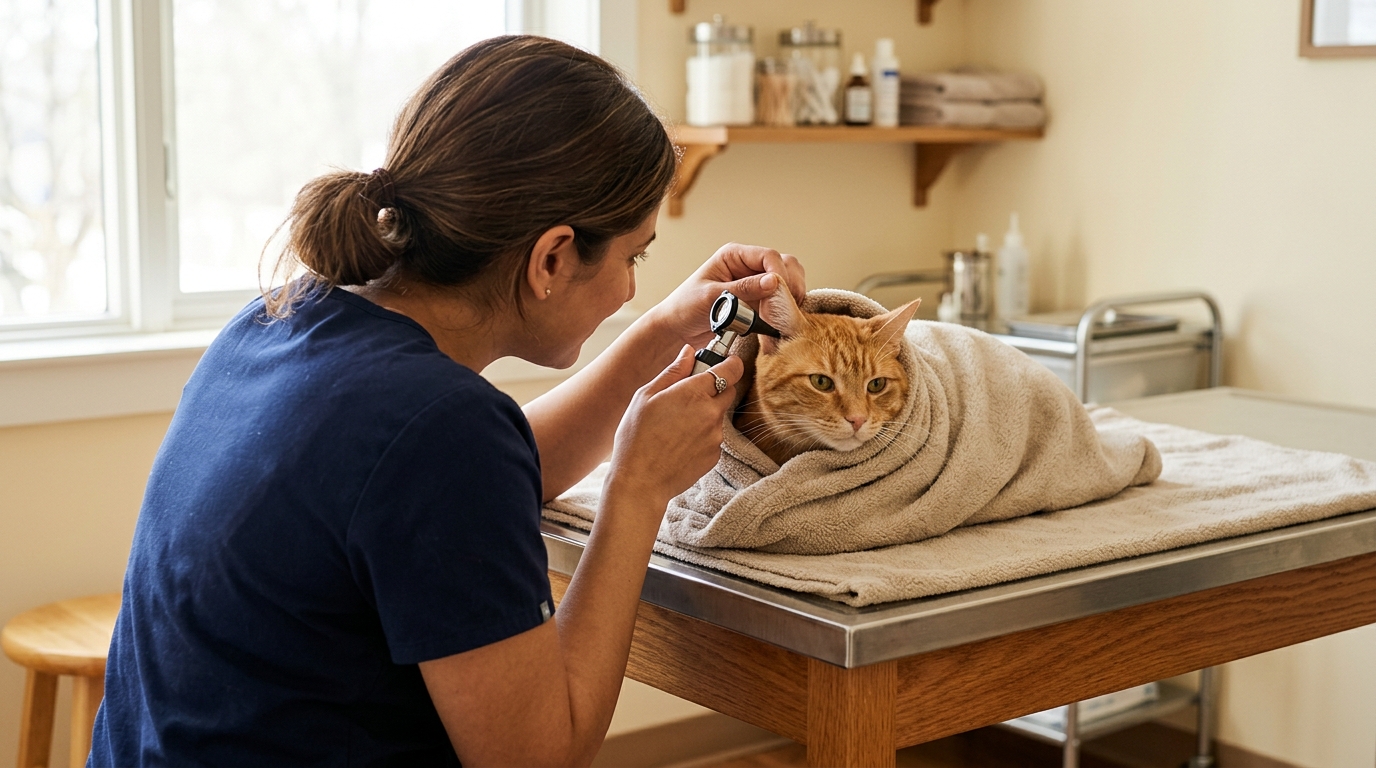
As a Fear Free Certified clinic, we use gentle, low-stress handling techniques to make veterinary visits as peaceful as possible for your cat. Regular exams allow us to monitor your pet's health, track subtle weight changes, and catch hidden issues early. We can even offer advice on carrier training to make the journey from your living room to our exam room a breeze.
You know your cat better than anyone, so trust your instincts if something seems slightly off. The team at Lincoln Heights Veterinary Clinic is always here to help you decode your cat's behavior and keep them feeling their best. Give us a call at 509-535-3551 to schedule a gentle, stress-free exam for your feline friend today.