

The global logistics network is undergoing a massive stress test in July 2026. As geopolitical conflicts escalate, international trade routes are choking. For a mid-sized operator in the United States, these distant events translate directly into delayed inventory and squeezed margins. Understanding what global shipping disruptions mean for your local supply chain is the first step toward protecting your business.
At Tower Mountain Studios, we help independent businesses build practical AI systems to navigate exactly this kind of chaos. When you cannot control the physical movement of goods, you have to control your data. Here is a look at the current state of global freight and how modern tools can help you adapt.
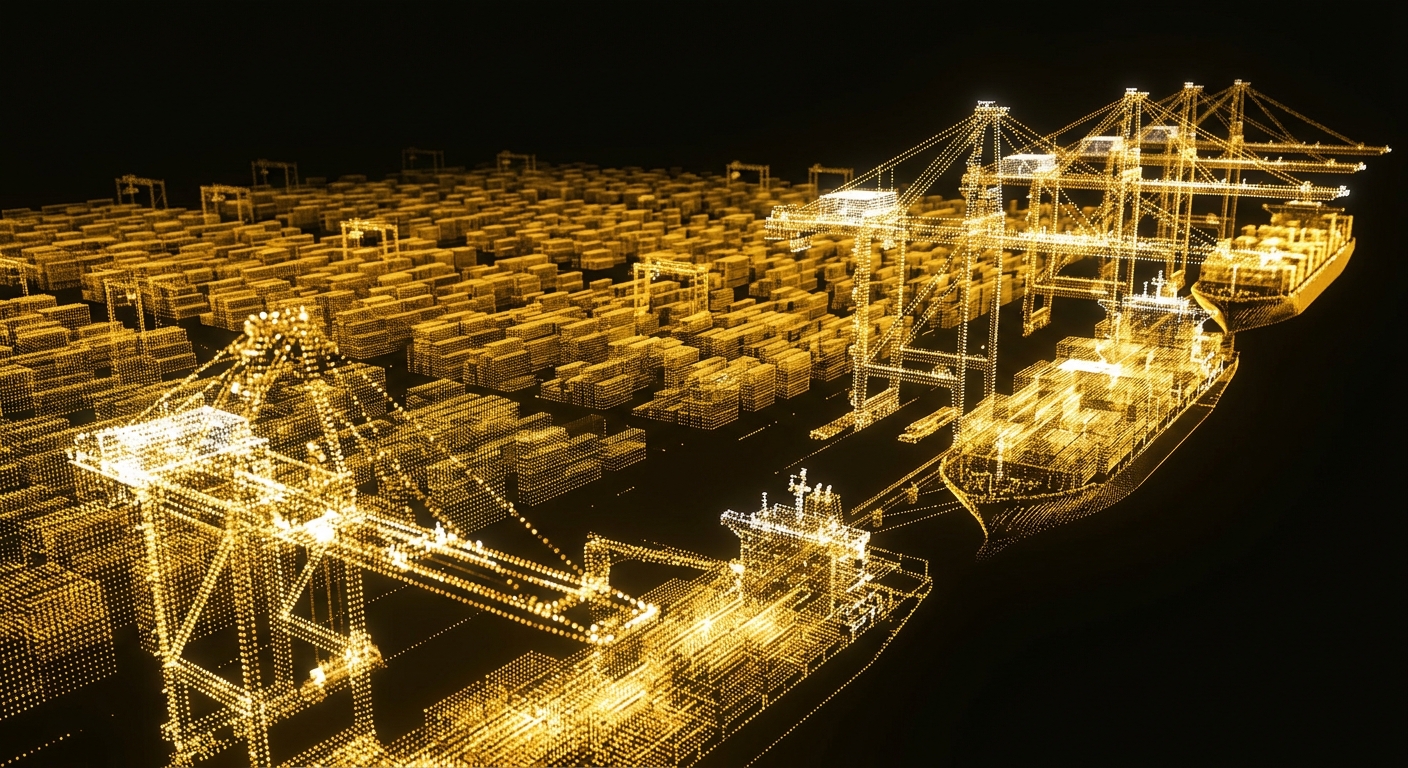
What is causing the current global shipping crisis?
The current global shipping crisis is driven by a severe combination of geopolitical conflict and shifting trade policies. As of mid-July 2026, the Strait of Hormuz is effectively closed to commercial shipping due to escalating military clashes and a reinstated blockade [1.2.8]. This has sent Brent crude oil surging past $83 a barrel, driving up fuel costs globally. Major operators like DP World are already planning new ports on the United Arab Emirates east coast just to bypass the strait entirely.
At the same time, the Red Sea diversions continue to force vessels around the Cape of Good Hope. This adds weeks to transit times and drains global vessel capacity. Compounding the physical delays, US retailers are aggressively frontloading their holiday orders to get ahead of proposed tariffs. This massive spike in demand has created a capacity crunch, pushing container spot rates to their third-highest peak in history, with some routes hitting well over $7,000 per container.

How do shipping disruptions impact local businesses?
When major maritime corridors shut down, the financial impact cascades down to local warehouses and storefronts. The immediate effect is a sharp rise in transportation costs. War-risk insurance premiums, extended transit times, and elevated fuel surcharges are passed directly to the importer. If you rely on parts or finished goods from overseas, your cost of goods sold is climbing while your delivery windows become entirely unpredictable.
These disruptions also break standard inventory forecasting. Traditional software relies on historical data and predictable lead times. When a container takes 45 days instead of 20, local businesses face a brutal choice: carry excessive safety stock and tie up cash, or risk stockouts and lose customers. Shadow loss becomes a real threat. Customers who experience delays often do not complain. They simply take their business elsewhere, quietly eroding your revenue base.

How can businesses mitigate supply chain risks with AI?
You cannot reopen a global trade route, but you can build a more resilient operation using artificial intelligence. Advanced AI agents can monitor real-time shipping data, weather patterns, and port congestion to predict delays before they happen. Instead of reacting to a late shipment, your systems can automatically adjust pricing, update customer expectations, and flag alternative domestic suppliers.
The latest generation of AI models, from Fable 5 to the upcoming DeepSeek v4.1, possess incredible reasoning capabilities. They can analyze your historical sales data against current freight rates to tell you exactly which products are still profitable to import. Furthermore, AI tools are now being used to discover entirely new, high-margin product niches that rely on local sourcing. By deploying AI agents to handle predictive logistics and automate your marketing, you can maintain your revenue even when the physical supply chain falters.
Global shipping disruptions are not going away anytime soon, but your business does not have to be a passive victim of international volatility. The right technology can turn supply chain chaos into a competitive advantage. If you are ready to stop relying on outdated spreadsheets and start building resilient systems, let us talk. Visit towermountainstudios.com to see how Tower Mountain Studios can put AI to work for your operations today.